
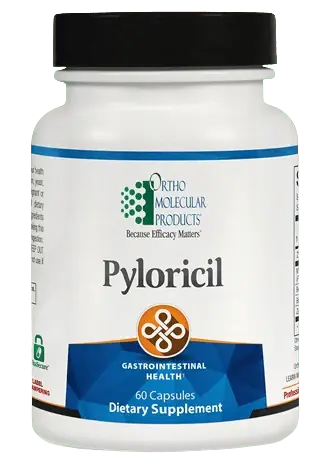
In Demand Pyloricil – 60 Capsules
Original price was: $67.40.$33.70Current price is: $33.70.

For orders under $66.00, a shipping fee of $10.00 applies.
Ortho Molecular Pyloricil
Immune & Gastrointestinal Health
Pyloricil includes ingredients such as mastic gum, bismuth citrate, and zinc carnosine to promote microbial balance in the gastrointestinal tract and the stomach.
The Centers for Disease Control and Prevention estimates that approximately two-thirds of the world’s population has stomach microbial balance concerns. While some will never experience discomfort, others may need support. Maintaining a healthy microbial balance and a strong immune system is integral to optimal GI health, as well as overall health. In addition, since the body’s immune system is a complex and dynamic defense system, a healthy microbial balance helps ensure optimal immune function. Research has shown that the natural ingredients in Pyloricil help soothe the stomach lining and GI tract.
Key Benefits and Features:
Promotes Healthy Microbial Balance in the GI Tract
Helps Maintain Gastrointestinal Comfort
Soothes the Stomach and GI Tract
Ingredients
| Serving Size: 1 Capsule | Amount/Serving |
| Zinc (as Zinc Carnosine) | 8.5 mg |
| Mastic Gum Extract (Pistacia lentiscus) (Resin) | 250 mg |
| Berberine Hydrochloride Hydrate | 150 mg |
| Bismuth Citrate USP | 125 mg |
| Zinc Carnosine | 37.5 mg |
Other Ingredients: None.
Does Not Contain: Gluten, yeast, artificial colors, or flavors.
Suggested Use
Take 1 capsule two times per day or as recommended by your health care professional.
Warning: Do not consume this product if you are pregnant or nursing. Consult your physician for further information. Keep out of the reach of children.
Storage: Keep tightly closed in a cool, dry place.
More Info.
Mastic Gum
Mastic gum is a resinous product that is obtained from the stem and leaves of the mastic tree (Pistacia lentiscus). The mastic tree is an evergreen shrub native to the Mediterranean Basin and has historically been used to support the health of the stomach. In a double-blind study, 60 patients randomly assigned to receive mastic (1 g/ day), or a placebo for two weeks demonstrated that mastic gum supported the health of the stomach lining in 78% of the patients in the control group (versus 22% of those receiving a placebo). Mastic gum has also been shown to promote healthy microbial balance in the GI tract.
Bismuth Citrate
Bismuth citrate is a naturally occurring mineral, frequently used to soothe the gastric and mucosal linings. Bismuth citrate also promotes microbial balance in the GI tract. Bismuth citrate offers a key advantage when compared to other bacterial-balancing therapies. While it is very common for bacteria to develop resistance to various bacterial-balancing agents, it is unlikely they will develop resistance to bismuth citrate.
Zinc Carnosine
Zinc carnosine has been approved in Japan since 1994 for its use in stomach health. The health-promoting effects of zinc are enhanced significantly when combined with the essential nutrient, carnosine. Japanese scientists have led the way in developing this zinc carnosine compound, which combines zinc and carnosine linked by a chemical bond. Research has demonstrated that zinc carnosine stabilizes the mucosal lining of the stomach and small intestines.
In a study examining the effects of zinc carnosine on animal digestive tracts, following exposure to indomethacin or to stress, this nutrient combination was shown to support gastric and intestinal health by stimulating the migration and growth of cells. In the human clinical trial based on the same model, healthy volunteers consumed indomethacin (50 mg three times daily) along with a placebo or zinc carnosine. Indomethacin increased gut permeability (impaired barrier function of the gut’s lining) by a factor of three in the placebo group. As compared to the placebo group, the control group consuming zinc carnosine showed no increase at all in gut permeability.
Berberine Sulfate
Berberine sulfate is a botanical extract found in the roots and barks of various plants, including Oregon grape root (Berberis aquifolium), barberry (Berberis vulgaris), and goldenseal (Hydrastis canadensis). Berberine has a long history of use in both Ayurvedic and Chinese medicine. Berberine sulfate has been shown to promote healthy microbial balance in the GI tract and maintain normal inflammatory balance throughout the body.
Related products
-
Sale!

Orthomega Select EPA – 60 Capsules Bargain
Original price was: $52.90.$26.45Current price is: $26.45. Add to cart -
Sale!
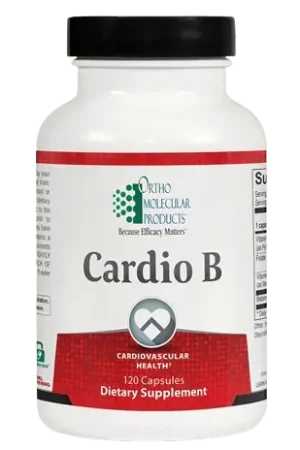
Cardio B Exclusive Offer
Original price was: $57.10.$28.55Current price is: $28.55. Add to cart -
Sale!
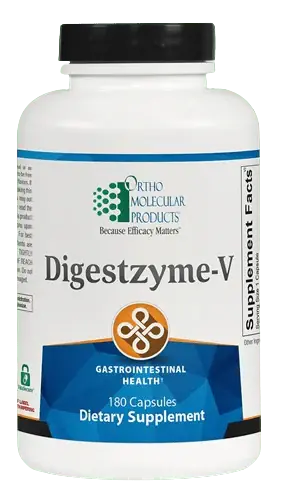
Digestzyme-V Limited Offer
Original price was: $42.40.$21.20Current price is: $21.20. Add to cart -
Sale!
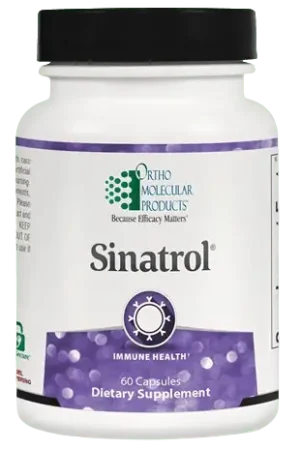
Sinatrol Express Delivery
Original price was: $40.10.$20.05Current price is: $20.05. Add to cart