

K-FORCE – 60 Capsules Top Rated
Original price was: $45.60.$22.80Current price is: $22.80.

For orders under $66.00, a shipping fee of $10.00 applies.
Ortho Molecular K-FORCE
Cardiovascular & Musculoskeletal Health
Vitamins K and D act in synergy in the process of supporting and maintaining bone, cardiovascular, and immune health. Ortho Molecular Products is the exclusive provider of MenaQ7®PRO, the most widely studied form of vitamin K2 as MK-7.
Emerging research highlights the importance of optimal vitamin K intake due to its critical role in maintaining bone and cardiovascular health. Composed of a group of naturally occurring and structurally similar, fat-soluble vitamins, vitamin K is required for the proper utilization of calcium and helps to bind newly absorbed calcium to the bone matrix. Vitamin K helps maintain bone mineral density by decreasing the activity of osteoclasts, cells that break down bone. It also provides critical cardiovascular protection by activating matrix Gla protein (MGP), a potent inhibitor of circulatory calcification. Vitamin K and vitamin D, another key nutrient required for overall wellness, act in synergy to support and maintain bone and cardiovascular health. Current research has found high concentration supplementation, at 180 mcg/day, results in improved clinical results compared to lower-dose supplementation.
K-FORCE provides 180 mcg ofMenaQ7® PRO, the most widely studied form of vitamin K2 as MK-7, along with 5,000 IU of vitamin D3 for optimal support of bone and cardiovascular health.
Key Benefits and Features:
Supports Healthy Calcium Balance
Promotes Bone Health
Supports Cardiovascular Health and Arterial Elasticity
Boosts Immune Function
Ingredients
| Serving Size: 1 Capsule | Amount/Serving |
| Vitamin D (D3 as Cholecalciferol) | 125 mcg (5,000 IU) |
| Vitamin K2 (as Menaquinone-7 (MK-7)) (MenaQ7 PRO) | 180 mcg |
Other Ingredients: Microcrystalline Cellulose, Hypromellose (Natural Vegetable Capsule), Turmeric (color), Magnesium Stearate, Silicon Dioxide, and Stearic Acid.
Does Not Contain: Gluten, yeast, soy, artificial colors, or flavors.
Suggested Use
Take 1 capsule per day or as recommended by your health care professional.
Warning: Do not consume this product if you are pregnant or nursing. All forms of vitamin K may interact with blood-thinning medications. If you are taking such medicines, please consult your physician before taking this product. Keep out of the reach of children.
Storage: Keep tightly closed in a cool, dry place.
More Info.
Vitamin K Depletion
Although most people consume adequate dietary amounts of vitamin K to maintain sufficient blood clotting, most do not consume enough MK-7 to meet cardiovascular and bone health needs. In fact, approximately 70% of the Western population is deficient in vitamin K2. Compromised intestinal absorption can also lead to insufficient K2 levels, leaving calcium available to be exported out of bone and into other tissues. Other medications, such as antibiotics, cholesterol-lowering medications, and laxatives, have also been found to contribute to a deficiency of vitamin K.
Bone Health
Supplementation of K2 has repeatedly been shown to help maintain bone density and strength among women. Research conducted on Japanese populations has found superior bone health among women who more frequently consumed MK7-rich nattō than those who did not. The positive effect of K2 on bone health is also evident in healthy children, among whom modest supplementation with MK-7 has been shown to increase osteocalcin carboxylation. In a randomized, placebo-controlled trial, 180 mcg of MK-7 or a placebo was given to 244 healthy post-menopausal women over three years. After at least two years, statistically significant benefits were seen in the vertebrae, hip, and femoral neck. Another ground-breaking, randomized, placebo-controlled trial gave 244 women aged 55-65 180 mcg of vitamin K2 or a placebo. The study found that those given the K2 were significantly better able to maintain their osteoclast to osteoblast ratio. Furthermore, levels of circulating osteocalcin, a marker related to tissue calcification in the body, were reduced by 50% among women taking K2 versus a 4% increase among the placebo group after two and three years.
Cardiovascular Health and Blood Sugar Balance
Vitamin K also plays a key role in supporting the cardiovascular system and healthy blood sugar balance. In a large population study, those who consumed high amounts of K2 had significantly improved cardiovascular markers compared to those given vitamin K1. A cohort of over 16,000 women also linked higher intake of K2 with better maintenance of cardiovascular health. Studies have also shown vitamin K to support healthy blood sugar metabolism. In a 2021 study, a cohort of 68 people received 180 mcg of vitamin K as MK-7 twice daily for 12 weeks, and the results showed support for cardiovascular health. Another three-year study showed that long-term supplementation of 180 mcg of vitamin K2 as MK-7 was safe and effectively maintained healthy arterial elasticity and cardiovascular function. The same amount of MK-7 was also found to impart substantial benefits in arterial plasticity and blood vessel elasticity in healthy women, which had previously been shown only with “pharmacological doses” of up to 4,500 mcg of synthetic vitamin K1.
Triage Theory
The Triage Theory states that in the face of nutrient inadequacies, nature ensures the short-term survival of a cell is protected at the expense of long-term consequences. Vitamin K is an excellent example of this theory. Hypothetically, a short-term deficiency in vitamin K would lead to a reduction in blood clotting. This direct threat to survival does not happen because the body uses its metabolic reserve of vitamin K to ensure immediate needs are met. If prolonged, this dip into nutrient reserves leads to a long-term deficiency in vitamin K. Though not directly threatening immediate survival, long-term deficiencies are linked to bone fragility, arterial calcification, and genomic instability. These issues are related to a loss of vitamin K-dependent proteins that are not required for short-term survival but nevertheless present long-term health challenges.
Related products
-
Sale!
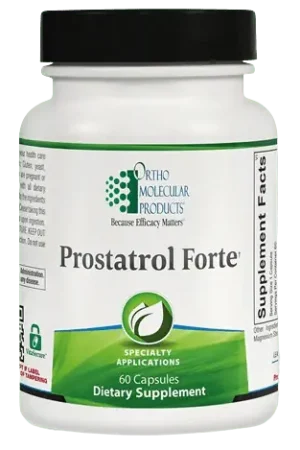
Prostatrol Forte – 60 Capsules Fan Favorite
Original price was: $53.60.$26.80Current price is: $26.80. Add to cart -
Sale!
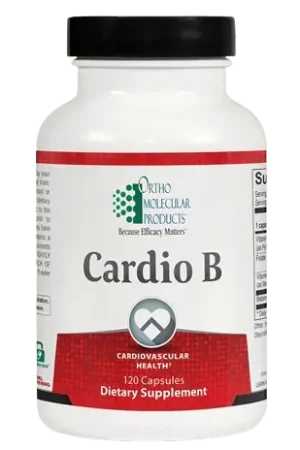
Cardio B Exclusive Offer
Original price was: $57.10.$28.55Current price is: $28.55. Add to cart -
Sale!
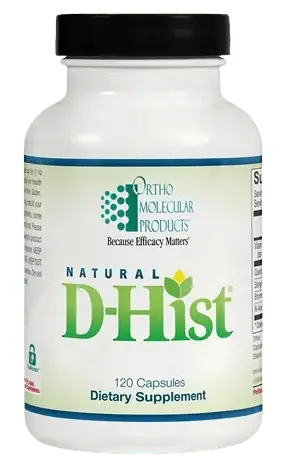
Natural D-Hist Flash Sale
Original price was: $50.90.$25.45Current price is: $25.45. Add to cart -
Sale!
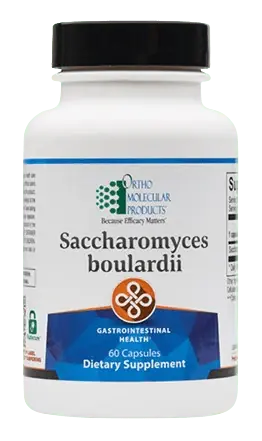
New Arrival Saccharomyces boulardii – 60 Capsules
Original price was: $47.20.$23.60Current price is: $23.60. Add to cart