

L-Carnitine Direct From Factory
Original price was: $88.40.$44.20Current price is: $44.20.

For orders under $66.00, a shipping fee of $10.00 applies.
Ortho Molecular L-Carnitine
Cardiovascular Health
L-carnitine has been shown to stimulate the use of fat for fuel and boost metabolism, making it essential to energy generation in the body.
Produced in the body from L-lysine and L-methionine, the synthesis of L-carnitine requires optimal amounts of other key nutrients including niacin, pyridoxine, vitamin C and iron for synthesis. Following production, L-carnitine is transported to the cardiac and skeletal muscle, where 98% of total body L-carnitine is stored. The heart and skeletal muscles, as well as many other tissues, depend on fatty acid oxidation as a source of energy. L-carnitine is an essential nutrient required for the transportation of long-chain fatty acids into the mitochondrial matrix. Within the mitochondria of each cell, a metabolic process called beta-oxidation occurs, resulting in the production of energy in the form of adenosine triphosphate (ATP). L-carnitine also aids in the transport of short-chain and medium-chain fatty acids out of the mitochondria and aids in the liberation of coenzyme A, an important component of ATP.
L-carnitine is an amino acid essential for the transport of fatty acids into the cell mitochondria. Research has shown that L-carnitine stimulates the use of fat for fuel and boosts metabolism, which plays a key role in weight management. L-carnitine has also been found to support cardiovascular health and to increase aerobic capacity during exercise. The L-Carnitine formulation provides 500 mg of L-carnitine per capsule, now delivered using quick-release, fast-absorbing Licaps®Technology. The Licaps®capsule shell matrix seals and protects the nutrient inside with a nitrogen bubble, ensuring maximum freshness. The thin shell dissolves rapidly, releasing a liquid formulation that speeds nutrient absorption. These cutting-edge advancements in capsule filling, sealing, and nutrient delivery ensure therapeutic potency and efficacy.
Key Benefits and Features:
Improves Cellular Energy Production
Stimulates Fat Utilization and Boosts Metabolism
Promotes Cardiovascular Health
Supports Post-Training Muscle Recovery
Ingredients
| Serving Size: 1 Capsule | Amount/Serving |
| L-Carnitine | 500 mg |
Other Ingredients: None.
Does Not Contain: Gluten, corn, yeast, artificial colors, or flavors.
Suggested Use
Take 1 capsule three times per day or as recommended by your health care professional.
Warning: If you are pregnant or nursing, consult your physician before taking this product. Keep out of the reach of children.
Storage: Keep tightly closed in a cool, dry place.
More Info.
Depletion
Some individuals require supplemental L-carnitine to maintain normal metabolism. In addition, L-carnitine requirements vary under certain conditions. For example, L-carnitine is removed from the circulation during hemodialysis. Impaired L-carnitine synthesis by the kidneys may also contribute to the potential for carnitine deficiency in patients with end-stage renal disease undergoing hemodialysis. The U.S. Food and Drug Administration has approved the use of L-carnitine in hemodialysis patients for the prevention and treatment of L-carnitine deficiency. Additionally, certain medications, including anticonvulsants and nucleoside analogues used in the treatment of HIV infection, may produce a secondary L-carnitine deficiency. Pivalic acid-containing antibiotics may also produce a secondary L-carnitine deficiency, as may certain chemotherapy agents
Muscle Recovery
A double-blind, placebo-controlled, crossover study found that 2 g of L-carnitine had positive effects and significantly attenuated markers of purine metabolism, free radical formation, muscle tissue disruption, and muscle soreness after physical exertion. A randomized, placebo-controlled study suggested L-carnitine can improve exercise tolerance and muscle strength while decreasing lactic production.
Energy Production and Metabolism
L-carnitine is known to play a central role in metabolism, specifically in the production of energy from fatty acids. Dietary L-carnitine supplementation has been shown to have a metabolic effect, facilitating fatty acid oxidation in overweight animals undergoing rapid weight loss. In a human performance-controlled trial, a study group given L-carnitine increased their exercise output by 11% from baseline, while the control group showed no change. These changes were also associated with an improvement in exercise performance.
Cardiovascular Health
Administration of L-carnitine has been shown to support the health of myocardial tissues in a number of experimental model systems and to improve cardiovascular wellness. In a controlled study of 160 patients, L-carnitine was randomly administered to 81 patients at a dose of 4 g/day for a year. During the study, the patients showed an improvement in heart rate, maintained healthy blood pressure, heart rhythm, and myocardial contractility, while demonstrating a decrease in mortality. In a study of 80 cardiovascular patients, randomly assigned to receive either L-carnitine (2 g/day orally) or placebo, for a mean range of 10 to 54 months, analysis showed that the patients’ survival rate was statistically significant in the L-carnitine group.
Related products
-
Sale!
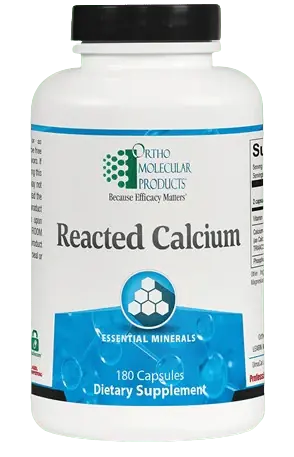
Reacted Calcium – 180 Capsules Same Day Shipping
Original price was: $48.80.$24.40Current price is: $24.40. Add to cart -
Sale!
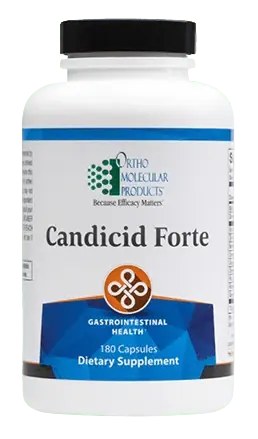
Certified Candicid Forte
Original price was: $74.00.$37.00Current price is: $37.00. Add to cart -
Sale!
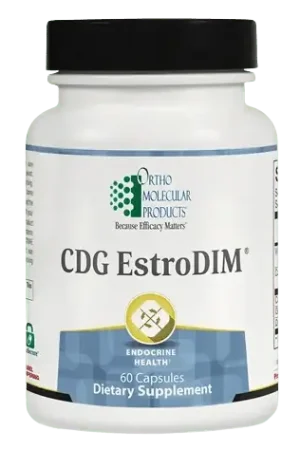
Cheap CDG EstroDIM – 60 Capsules
Original price was: $84.70.$42.35Current price is: $42.35. Add to cart -
Sale!
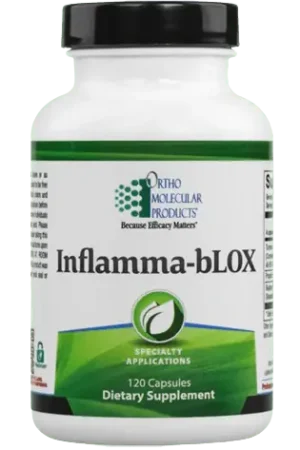
Inflamma-bLOX Mega Sale
Original price was: $76.70.$38.35Current price is: $38.35. Add to cart