
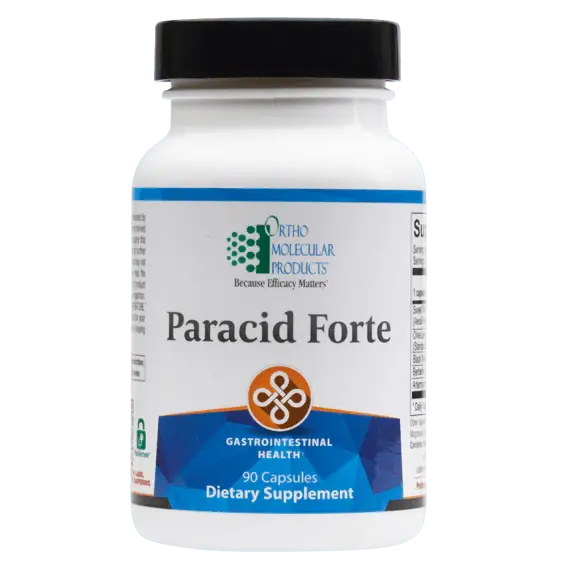
Paracid Forte – 90 Capsules Express Delivery
Original price was: $75.80.$37.90Current price is: $37.90.

For orders under $49.00, a shipping fee of $6.99 applies.
Ortho Molecular Paracid Forte
Immune & Gastrointestinal Health
Paracid Forte supports a healthy microbial balance in the GI tract.
Gastrointestinal health is directly affected by factors, such as exposure to microbes, poor diet, and a stressful lifestyle, that can negatively impact immune function. The prevalence of refined sugars and carbohydrates and the low presence of fiber in the modern diet have been directly linked to the alteration of the colonic environment. Since the body’s immune system is a complex and dynamic defense system, healthy microbial balance and antioxidant support help ensure optimal immune function.
Key Benefits and Features:
Supports Healthy Microbial Balance in the GI Tract
Supports Healthy Immune Function
Ingredients
| Serving Size: 1 Capsule | Amount/Serving |
| Sweet Wormwood (Aerial Portion) | 150 mg |
| Olive Leaf Extract (Standardized to contain 20% Oleuropein) | 100 mg |
| Black Walnut Hulls | 85 mg |
| Berberine Hydrochloride Hydrate | 75 mg |
| Artemisinin | 25 mg |
Other Ingredients: Natural Vegetable Capsules, Microcrystalline Cellulose, Magnesium Stearate, and Silicon Dioxide.
Does Not Contain: Gluten, yeast, artificial colors, or flavors.
Suggested Use
Take 1 capsule three times per day or as recommended by your health care professional.
Warning: Do not consume this product if you are pregnant or nursing. Consult your physician for further information. Keep out of the reach of children.
Storage: Keep tightly closed in a cool, dry place.
More Info.
Wormwood/Artemisinin
Wormwood is a fern-like plant commonly found throughout Asia, and artemisinin is its active constituent. Artemisinin is a sesquiterpene lactone, a special compound shown to have strong microbial-balancing properties. It is known to interfere with microbial metabolism by causing structural changes to unfriendly organisms that prevent them from maturing in the body. This effect is facilitated by the production of free radicals and reactive aldehydes within the microbes that disrupt their growth.
Olive Leaf Extract
Widely consumed in the Mediterranean, olives contain numerous phenolic compounds, including oleuropein, which have demonstrated broad-spectrum microbial-balancing and antioxidant properties. Oleuropein is a unique polyphenol molecule in olive leaf extract, and special processing techniques now allow for the extraction of a stable, standardized form of oleuropein. Oleuropein is a potent antioxidant, supports microbial balance, and helps maintain a normal inflammatory balance in the body. Studies have indicated that oleuropein boosts host immune defense, and it is especially helpful in supporting those with microbial challenges related to microbial imbalances in the intestines. In one in vitro study, phenolic compounds from olive leaf, including oleuropein, were able to interfere with the cellular metabolism of a wide range of microbes, creating a hostile environment to their survival. Another study found olive leaf extract prevents cell-to-cell attachment in a dose-dependent manner, a key mechanism in supporting healthy microbial balance.
Black Walnut
The hulls of the black walnut have been used since Greek and Roman times to support those with intestinal complaints. Black walnut has compounds known as tannins, which affect the structural stability of various microbes. The activity (minimum inhibitory concentration) of four different tannin-containing plants was determined by the broth dilution method, and black walnut was found to be the most active against various microbes.
Berberine Sulfate
Berberine is an alkaloid extracted from plant roots that is commonly found in barberry, turmeric, and Oregon grape. Berberine extracts have shown significant ability to influence the activity of a variety of organisms that affect human health. In vitro, berberine has been found to promote GI health10 and, among 25 patients, 5 mg/kg per day of berberine for six days promoted positive changes in the microbial samples of 17 patients. Mechanisms of action for berberine include effects on organism adhesion and intracellular interference, metabolic activity, maturation, and free radical formation. By addressing the intestinal secretion of water and electrolytes induced by certain organism toxins, berberine also supports the healthy formation of stool. In this way, it promotes healthy intestinal motility and normal intestinal transit time. Both in vitro and animal research suggest that berberine can also affect the COX-2 protein, maintaining normal inflammatory balance.
Related products
-
Sale!
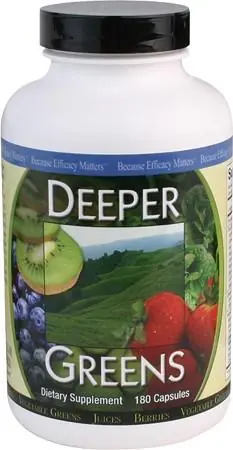
Deal Deeper Greens – 180 Capsules
Original price was: $62.90.$31.45Current price is: $31.45. Add to cart -
Sale!
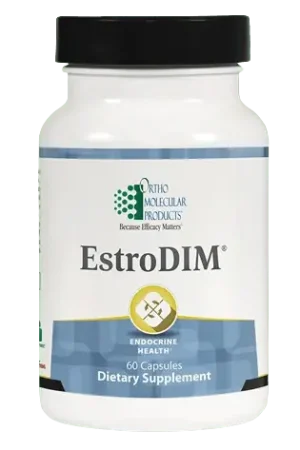
EstroDIM Hot Deal
Original price was: $52.50.$26.25Current price is: $26.25. Add to cart -
Sale!
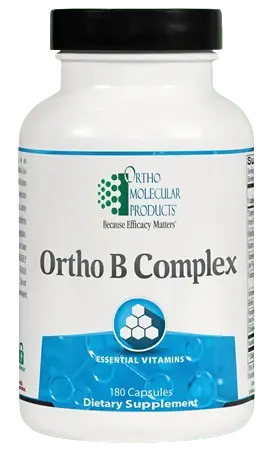
Ortho B Complex Popular
Original price was: $54.40.$27.20Current price is: $27.20. Add to cart -
Sale!
Inflamma-bLOX Mega Sale
Original price was: $76.70.$38.35Current price is: $38.35. Add to cart