

Time Release Niacin – 90 Capsules Price Drop
Original price was: $31.80.$15.90Current price is: $15.90.

For orders under $49.00, a shipping fee of $6.99 applies.
Ortho Molecular Time Release Niacin
Cardiovascular Health
Time Release Niacin includes powerful support for cardiovascular health. This formula is a unique sustained-release tablet that allows for maximal benefit with minimal side effects.
Niacin, also known as vitamin B3, is a micronutrient with a 40-year history of efficacy in supporting healthy lipid levels, especially high-density lipoprotein cholesterol (HDL-C) levels. However, one side effect often makes supplementing niacin a less-than-pleasurable experience, limiting adherence. Some patients experience flushing when supplementing niacin. However, a properly manufactured, sustained-release niacin circumvents this side effect. By using a proprietary, natural wax-matrix coating technology, Time Release Niacin is released slowly over a six- to eight-hour period to reduce flushing.
Key Benefits and Features:
Promotes Healthy Blood Lipid Levels
Supports Healthy High-Density Lipoprotein (HDL) Levels
Maintains Healthy Low-Density Lipoprotein (LDL) Levels and Lipid Particle Size
Maintains Healthy Triglyceride Levels
Enhances Endothelial Function by Increasing Nitric Oxide Synthase
Ingredients
| Serving Size: 1 Tablet | Amount/Serving |
| Niacin (as Nicotinic Acid) | 500 mg |
Other Ingredients: Vegetable waxes (Rice Bran and or Carnauba), Stearic Acid, Magnesium Stearate, and Silica.
Does Not Contain: Gluten, corn, yeast, artificial colors, or flavors.
Suggested Use
Take 1 tablet three times per day with a meal, or as recommended by your health care professional.
Warning: If you are pregnant or nursing, consult your physician before taking this product. This product is designed to release niacin over a six- to eight- hour period to minimize flushing (Avoiding hot beverages is recommended). A small percentage of people may still experience harmless flushing while taking this product. Keep out of the reach of children.
Storage: Keep tightly closed in a cool, dry place.
More Info.
Niacin Depletion
Symptoms of mild deficiency of niacin may include indigestion, fatigue, canker sores, and depression. Niacin deficiency, if left unattended, can negatively affect brain function, leading to apathy, fatigue, disorientation, and memory loss.
Cardiovascular Health and Cholesterol Balance
Niacin has been used since the 1950s to maintain a healthy balance of cholesterol levels. Since 1978, researchers have labeled niacin a “front-line” nutrient for cardiovascular support. The National Cholesterol Education Program (NCEP) panel designated niacin a “first-line therapy” for support of specific parameters related to balancing cholesterol levels in 1988, further emphasizing the micronutrient’s safety and importance in cardiovascular health. Other studies have shown niacin to enhance long-term cardiovascular health.
When taken at doses greater than the Recommended Daily Amount (RDA), niacin:
Promotes healthy high-density lipoprotein (HDL) levels already within the normal range by 20-35%. No other nutrient or compound has been shown to be as effective in supporting healthy HDL levels.
Maintains healthy lipid particle size. Small low-density lipoprotein (small LDL) particles are an important yet underappreciated marker of cardiovascular function. Niacin is the most effective agent known for supporting a normal cholesterol pattern.
Supports healthy triglyceride levels. Niacin is especially effective when taken with fish oil (at doses of 1,500-3,000 mg of EPA/DHA daily).
Supports normal very low-density lipoprotein (VLDL) particles.
Supports healthy lipoprotein(a), or Lp(a) levels. No other treatment approaches the power of niacin to promote healthy Lp(a) levels, which are among the most important markers of heart health.
Promotes low-density lipoprotein (LDL) balance.
Niacin supports lipid balance by blocking the release of fatty acids from fat cells. Fewer fatty acids are passed through to the liver, resulting in fewer VLDL particles. Less VLDL leads to less small LDL and higher HDL. To the benefit of the cardiovascular system, niacin also improves endothelial function and nitric oxide synthase activity, which protects blood vessels and promotes healthy circulation.
Related products
-
Sale!
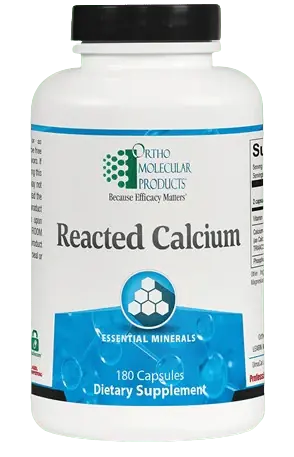
Reacted Calcium – 180 Capsules Same Day Shipping
Original price was: $48.80.$24.40Current price is: $24.40. Add to cart -
Sale!
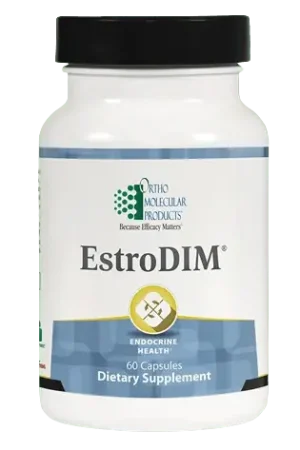
EstroDIM Hot Deal
Original price was: $52.50.$26.25Current price is: $26.25. Add to cart -
Sale!
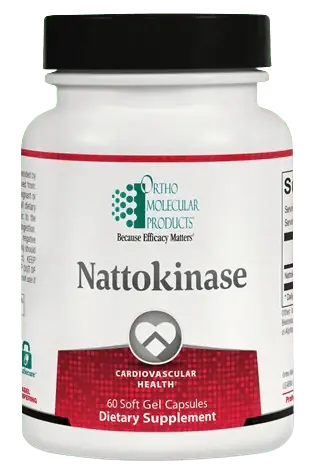
Nattokinase – 60 Capsules One Day Deal
Original price was: $39.10.$19.55Current price is: $19.55. Add to cart -
Sale!
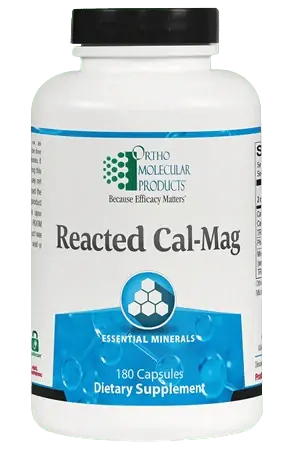
Reacted Cal-Mag Time-Limited
Original price was: $59.30.$29.65Current price is: $29.65. Add to cart